Yufuin vs Beppu: An Oita Local Tells You Which One to Visit (Or Both)
I live in Oita Prefecture, just 15 minutes from Beppu by train. I've been to both Yufuin and Beppu more times than I can count — not as a tourist, but as someone who lives here year-round. This is what I actually think.
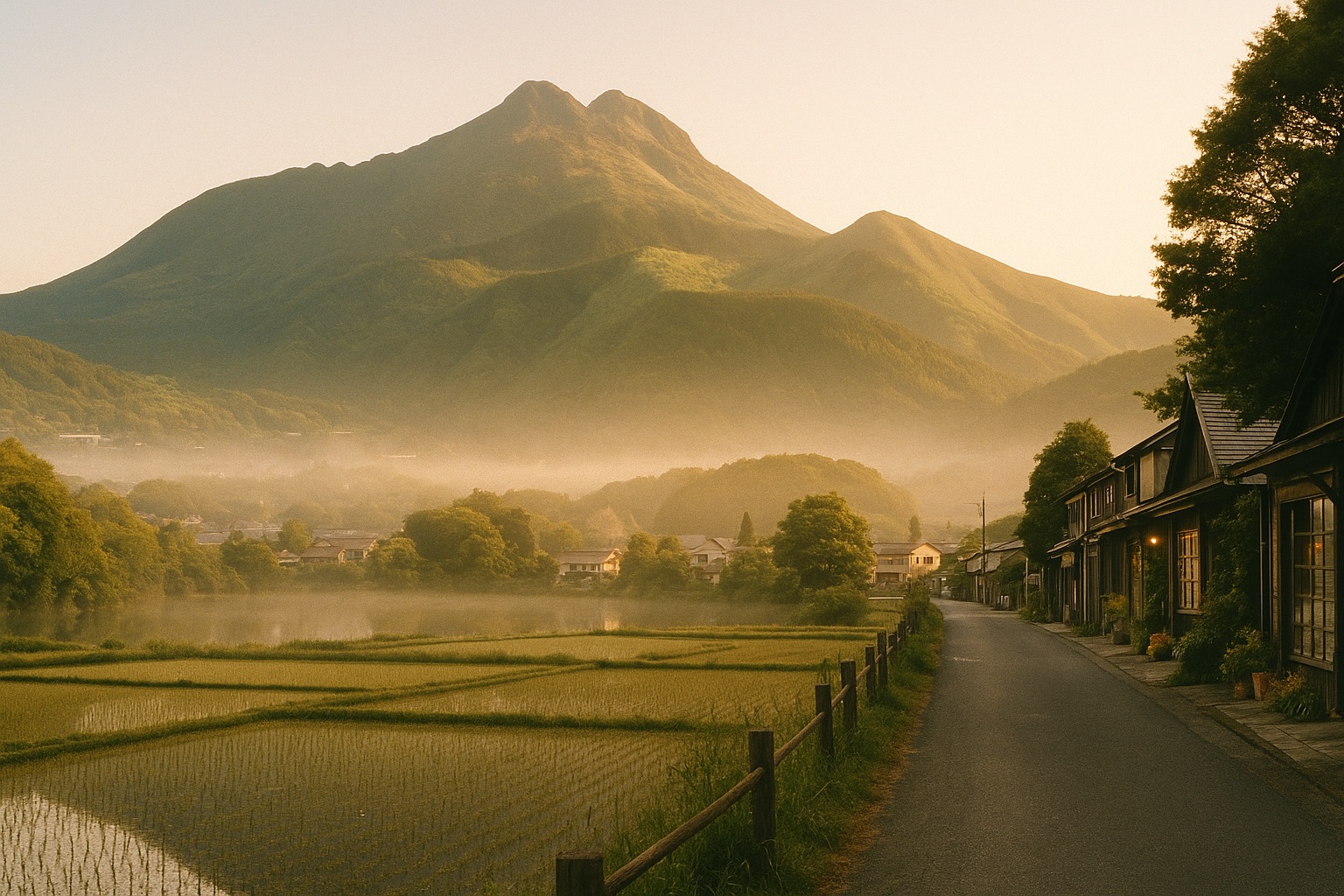
✦ AI-generated illustration — not a photograph of the actual site
The Short Answer (For People in a Hurry)
You want raw, authentic Japan
→ Beppu
You want a scenic, relaxing retreat
→ Yufuin
You want to spend as little as possible
→ Beppu (¥100 public baths)
You have one full day
→ Do both
You want a ryokan dinner and mountain views
→ Yufuin
You're travelling solo or with a friend on a budget
→ Beppu, hands down
What Beppu Is Actually Like (From Someone Who Lives Nearby)
Beppu smells like sulphur. That's the first thing. The steam rises from drains in the road, from hillside vents, from cracks in the pavement. It is not a polished spa resort. It is a real city — population around 110,000 — built on top of the most geothermally active ground in Japan.
There are nearly 100 public baths scattered through residential neighbourhoods, most costing ¥100 to ¥300. The ones in the Kannawa district (the steamiest part of town) have barely changed since the 1970s. The older woman at the desk has been there for decades. The water comes directly from the earth beneath you.
Beppu is also a university town. Ritsumeikan Asia Pacific University sits on the hill above the city, and the student population keeps the food scene young and affordable. You can eat well here for very little money. The local speciality — toriten, tempura chicken — is served in old-school diners that have been in the same families for generations.
What Beppu is notis scenic in the conventional sense. The waterfront is industrial. The streets are busy. The famous “hells” (jigoku) are colourful and popular, but they are a tourist attraction, not a local one. If you come expecting the Japan of your imagination — quiet, bamboo, postcard perfect — Beppu might surprise you. That's not a problem. It's just a different kind of place.
What Yufuin Is Actually Like
Yufuin is beautiful. I will say that plainly. Lake Kinrin in the morning mist, Mount Yufu rising behind the valley, the old wooden bathhouses tucked between ryokan gardens — it is genuinely lovely.
It is also extremely popular. The main shopping street, Yufuin-no-Mori Dori, is wall-to-wall souvenir shops, soft-serve ice cream stalls, and craft stores that look handmade but are not. On weekends and during peak season, the narrow street is shoulder-to-shoulder with tourists, most of them day-trippers from Fukuoka or visitors following the same three-stop guidebook circuit.
Locals in Oita have a mixed relationship with Yufuin. We appreciate that it brings money to the region. We also know that the Yufuin most visitors see — the shopping street, the trendy cafes, the curated “traditional Japan” aesthetic — is largely constructed for the tourist market. The real Yufuin is quieter, older, and harder to find.
That said, the onsen in Yufuin are excellent. The water quality is soft and clear, quite different from Beppu's more mineral- heavy springs. And the ryokan culture here is some of the best in Oita Prefecture — if you can afford it, an overnight stay at a proper Yufuin inn is a genuine experience.
🕐 The honest local tip on timing
Yufuin on a weekday morning in autumn or spring is a completely different place from Yufuin on a Saturday afternoon in July. If you have the flexibility, the early weekday version is worth seeking out.
The Real Differences That Matter
| Category | Beppu | Yufuin |
|---|---|---|
| Public bath price | ¥100–¥300 | ¥300–¥800+ |
| Onsen water type | Varied — sulphur, salt, bicarbonate | Soft, clear, slightly alkaline |
| Atmosphere | Working city, gritty, real | Resort town, scenic, curated |
| Crowds | Busy but spread across the city | Concentrated on one street, intense |
| Food budget | ¥700–¥1,500 for a meal | ¥1,000–¥3,000+ for a meal |
| Accommodation | Business hotels from ¥5,000/night | Ryokan from ¥20,000/night (with meals) |
| From Fukuoka | ~2 hr by Sonic limited express | ~2 hr by Yufuin-no-Mori express |
| Between the two | 45 min by bus (Kamenoi Bus), ¥880 | Same |
| Best for | Solo travellers, budget trips, authenticity | Couples, overnight stays, scenery |
Who Should Go to Beppu
Budget travellers
You can have a full day in Beppu — multiple onsen, a proper lunch, a local beer — for under ¥3,000. The ¥100 public baths alone are worth a dedicated afternoon.
People who want the real Japan
The Kannawa neighbourhood feels genuinely lived-in. The woman running the bathhouse desk, the elderly men soaking in silence, the narrow streets with laundry hanging above them — this is not arranged for your benefit.
Food-focused travellers
Beppu has a stronger, more affordable food scene. Toriten (tempura chicken), jigoku-mushi (steam-cooked meals), fresh seafood at the covered market. Better for eating than Yufuin.
Solo travellers and backpackers
Beppu has real hostels, cheap guesthouses, and a social atmosphere that Yufuin lacks. It's easier to meet people and move freely.
Travellers with tattoos
All 17 city-run onsen in Beppu explicitly allow tattoos. Yufuin's public baths are less consistent on this. Beppu wins clearly.
Who Should Go to Yufuin
Couples and honeymooners
Yufuin is built around the romantic ryokan experience — private outdoor baths (rotenburo), kaiseki dinners, mountain views. If you're willing to spend the money, it's genuinely special.
People who want natural scenery
Beppu's scenery is industrial. Yufuin's is Mount Yufu, paddy fields, and lake mist. If the setting matters to you, Yufuin delivers.
First-time onsen visitors
Yufuin's water is softer and less intensely hot than Beppu's springs. For someone trying onsen for the first time, Yufuin's gentler water is a more comfortable introduction.
Photographers and walkers
The hour-long walk around Lake Kinrin at dawn, with mist rising off the water and Mount Yufu behind — it's one of the better morning walks in Kyushu. Bring a camera.
Why Not Both? The 1-Day Route Locals Actually Use
Here is the thing most travel guides miss: Beppu and Yufuin are 45 minutes apart by bus. You do not have to choose. A well-paced day can cover both — and doing so is more satisfying than trying to squeeze everything into one or the other.
7:30 AM
Yufuin
Arrive early — before the tour buses
The Yufuin-no-Mori express from Hakata (Fukuoka) arrives around 9:30 AM, but there are earlier local trains. Getting there before 8:30 AM means you have Lake Kinrin almost to yourself. Walk the lake path, watch the mist.
9:00 AM
Yufuin
Use one of the small public baths
Shitan-yu by the lake (¥100, mixed gender) or Kase-no-yu near the station (¥100, built 1881) — both are open early and give you the real Yufuin experience before the crowds arrive.
10:30 AM
Yufuin
Walk the shopping street — briefly
By now the shops are opening and the streets are still manageable. Pick up anything you want before the noon crowds arrive. Skip the soft-serve queues.
11:30 AM
Yufuin → Beppu
Take the Kamenoi Bus to Beppu
The Kamenoi Bus runs between Yufuin and Beppu roughly every hour. The ride is ¥880 one-way and takes about 45 minutes through mountain scenery. Worth the window seat.
12:30 PM
Beppu
Lunch in Beppu
Toriten (tempura chicken) at a local diner near the station — budget around ¥900–¥1,200. Or try jigoku-mushi at the Kannawa steam cooking workshop if you want the experience.
2:00 PM
Kannawa, Beppu
Explore Kannawa and soak in a public bath
Take a local bus to Kannawa. Wander the steaming streets. Use one of the ¥100–¥300 neighbourhood baths — Jigoku-bara or Atsunoya (free). This is the Beppu that most visitors miss entirely.
4:30 PM
Beppu
Second soak — or the jigoku if you haven't seen them
The jigoku (coloured hot spring pools) close around 5 PM. If you want to see them, Umi Jigoku (the cobalt-blue one) and Oniishibozu Jigoku are the two worth visiting. ¥400 each, or ¥2,200 for a combined pass to all seven.
Evening
Beppu
Dinner and one final soak
Hamawaki Onsen stays open until 1 AM. Dinner at the covered Beppu market area, or around the station. Budget under ¥1,500 for a full meal.
💴 What this day costs
Practical Tips From a Local
Best time to visit
Autumn (October–November) is the best season in Oita. The maple colours around Yufuin are exceptional, the air is cool enough to enjoy outdoor baths, and the crowds are more manageable than in summer. Spring (late March–April) is also good. Avoid Golden Week (late April–early May) and Obon (mid-August) — both are extremely crowded and prices rise sharply.
Getting between Beppu and Yufuin
Kamenoi Bus is the main option. Buy a single ticket (¥880) or a day pass if you plan multiple trips. The ride takes 45–60 minutes depending on the route. There is no direct train between Beppu and Yufuin — you'd need to go via Oita City, which takes longer and costs more.
The onsen nobody tells you about in Beppu
Atsunoya in Kannawa is completely free and looks like it hasn't changed in fifty years. Most tourists walk past it. Walk in, pay nothing, and soak in water from the same geothermal source as the expensive hotel baths nearby.
Yufuin before 9 AM is a different place
The tour buses from Fukuoka arrive between 9:30 and 10 AM. The shopping street goes from quiet to crowded in about thirty minutes. If you are visiting Yufuin, be there before the buses come.
Leave your luggage
If you're doing both on the same day and arriving by train, Yufuin Station has coin lockers. Beppu Station also has coin lockers and paid luggage storage at the tourist information counter. Travel light between the two.
The official Beppu onsen map
Beppu City publishes a free map of all 100+ public baths, updated regularly. Pick it up at Beppu Station's tourist information desk. It marks which ones are open to visitors and which are members-only — essential if you plan to explore the neighbourhood baths.
Final Verdict
If I had to send a friend to one of the two, I would ask them a single question first: do you care more about the experience, or the aesthetics?
Beppu is an experience. It is a real city living on top of remarkable geology. Its public baths are used by real people every day. The food is honest, the prices are fair, and the atmosphere is not designed for you — which is exactly what makes it valuable to visit. You leave Beppu feeling like you glimpsed something genuine.
Yufuin is an aesthetic. And I don't mean that as a criticism — done right, it is beautiful. The mountain, the mist, the lake, a proper ryokan dinner eaten in a yukata while steam rises from your private garden bath. These things are real too, even if they cost more and require more planning.
But if you have a full day — and the bus ride is only 45 minutes — I would always say: do both. Yufuin in the morning while it is quiet, Beppu in the afternoon and evening. You will see a wider range of Japan than most visitors do.
I live 15 minutes from Beppu. I still go back regularly. That is probably the most honest thing I can tell you.
Related reading
Written by
A Local in Oita, Japan
A Japanese local born and raised in Oita, Kyushu. Sharing the Japan that guidebooks miss — from someone who actually lives here.
About this site →More from Japan Local Travel
JR Kyushu Rail Pass: Is It Worth It? A Local's Honest Guide
A local breaks down the JR Kyushu Rail Pass — the 3, 5, and 7-day options, what's covered, real price math for popular routes, how to buy and use it, and the honest answer to whether it's worth it for your trip.
Best Time to Visit Kyushu: A Month-by-Month Season Guide
When should you visit Kyushu? A local walks you through the seasons month by month — cherry blossoms, the rainy season, summer heat, golden autumn, and mild onsen winters — so you pick the right time for your trip.
Driving in Kyushu: Renting a Car & the Best Road Trips
Should you rent a car in Kyushu? A local explains the license you need, what driving here is really like, costs and tolls, where a car beats the train — and the island's most beautiful road trips.